When Apple launches a new generation of iPhone, consumers’ attention usually turns to the camera, performance, design, and latest features. However, there is one simple element that also plays an important role in Apple’s marketing strategy: color.
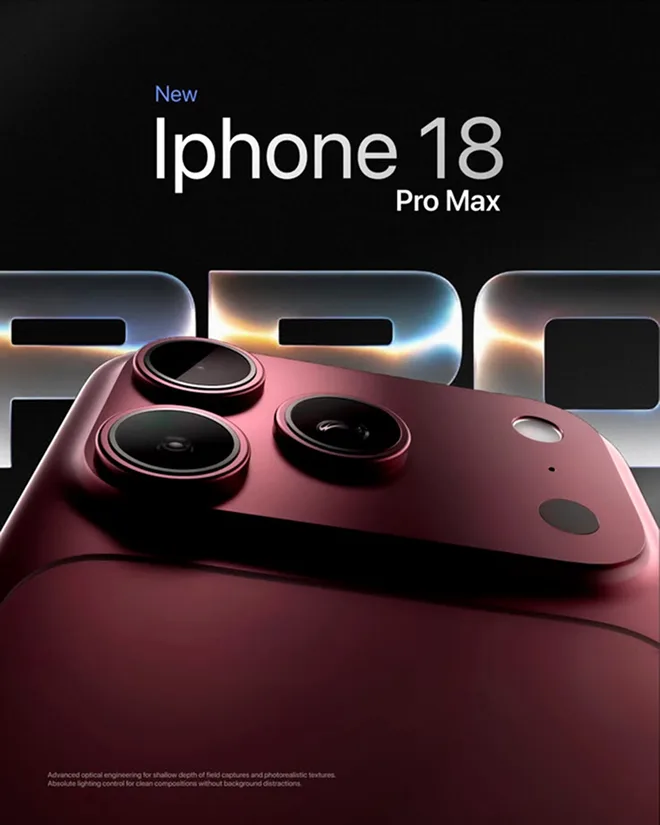
For several iPhone generations, Apple has introduced a distinctive color that then becomes part of the product’s identity and marketing campaign. This strategy can be called a Signature Color Strategy: the consistent use of a particular color to help build a product’s identity and differentiation.
Why Does Color Matter in Marketing?
Color is one of the visual elements that can help consumers recognize and remember a product.
In the context of the iPhone, a signature color can serve as:
Product Differentiation – distinguishing the new generation from previous products.
Brand Recognition – helping consumers recognize the product visually.
Marketing Communication – becoming a key element in advertising and campaigns.
Consumer Attraction – creating visual appeal for the new product.
When one color is used across the product, website, advertisements, billboards, and social media, that color can become the visual identity of a product launch.
From Color to "Hero Color"
Apple does not always use one color as a permanent identity for the iPhone. Colors can change from one generation to the next.
This change creates novelty, a fresh impression that makes the latest product look different.
One color can then act as the Hero Color, the color that receives the most attention in marketing communications.
Put simply:
New product → new color → new campaign → new visual identity.
Consumers can even recognize a particular product generation just from its combination of color and design.
Does Color Make the iPhone Sell Better?
It cannot be said that a particular color directly causes an increase in sales. Consumer decisions are influenced by many factors, such as price, features, performance, camera, design, ecosystem, and brand.
However, color can be part of a product differentiation strategy that helps a product look different and become easier to recognize.
In other words:
Apple does not just sell colors; it uses color to strengthen the product’s identity and story.
What Can We Learn from Apple’s Strategy?
The iPhone’s Signature Color Strategy offers several lessons for businesses:
First, differentiation does not always have to come from new features. Visual elements can also set a product apart.
Second, visual consistency can strengthen brand recognition.
Third, color can be part of the storytelling in a product launch.
Fourth, this strategy does not apply only to technology companies. MSMEs, fashion brands, restaurants, startups, and service companies can also use color as part of their brand identity.
Conclusion
The Signature Color Strategy shows that something as simple as color can be part of a powerful marketing strategy.
In the case of the iPhone, color can help build product differentiation, brand recognition, and visual appeal.
The key lesson is:
When a color successfully becomes an identity, consumers do not just see a color; they remember the brand.
References
Apple. iPhone – Official Apple Website. Apple iPhone
Labrecque, L. I., & Milne, G. R. (2012). Exciting Red and Competent Blue: The Importance of Color in Marketing. Journal of the Academy of Marketing Science.
Singh, S. (2006). Impact of Color on Marketing. Management Decision.
Kotler, P., & Keller, K. L. Marketing Management. Pearson.